April 1, 2026
Living in a coastal region comes with a certain weather intuition. When the sky turns that specific shade of gray and the news starts tracking a tropical system, everyone shifts into storm mode. But even experienced homeowners can fall for misinformation. There’s plenty of outdated advice about what works, what doesn’t, and what’s worth the investment—and when it comes to hurricane protection, bad information can lead to serious consequences.
The reality is that hurricane technology has come a long way in the last decade. We’re no longer stuck with the bulky, industrial-looking options of the past, yet the myths surrounding storm prep persist like a stubborn high-pressure system. It’s time to clear the air. By debunking these common misconceptions, you can make smarter decisions for your home’s safety and your wallet.
Myth 1: “Plywood Is Just as Good as Real Hurricane Products”
Boarding up windows with plywood is better than doing nothing, but it’s nowhere near equivalent to engineered hurricane protection. Plywood isn’t impact-rated. It can splinter, warp, or even detach under high winds, especially if it’s not installed perfectly. In a severe storm, airborne debris can easily penetrate standard wood panels.
There’s also a safety and convenience issue. Installing plywood is physically demanding and often rushed as a storm approaches. It involves hauling heavy sheets, climbing ladders, and drilling into your home’s exterior. After the storm, you’re left with a dark interior and a patchwork of holes that can lead to moisture intrusion or long-term structural wear.
Engineered solutions like impact windows and hurricane shutters are designed and tested to withstand extreme conditions. More importantly, they help maintain your home’s structural envelope. If a window fails during a storm, internal pressure can build rapidly and compromise the roof. Plywood doesn’t provide the same seal or resistance.
Then there’s the long-term cost and hassle. Plywood degrades quickly, takes up storage space, and often needs replacing every few seasons. In contrast, hurricane-rated products are permanent solutions. Once installed, they’re always ready, no last-minute supply runs or labor required.
Myth 2: “Hurricane Products Will Ruin My Home’s Curb Appeal”
Many homeowners hesitate because they picture bulky, industrial-looking shutters permanently attached to their home. While that may have been true decades ago, modern hurricane protection is designed with aesthetics in mind.
Take impact-resistant windows, for example. From the curb, they look exactly like premium standard windows. There are no external tracks, no bulky bars, and no visible hardware. You can choose from various frame colors, grid patterns, and finishes that match your home’s specific style, whether it’s a modern minimalist build or a classic Victorian. You get the peace of mind of a hurricane barrier without ever having to look at a piece of metal hardware.
Shutter options have also improved significantly. Colonial shutters add classic charm while providing protection when closed. Bahama shutters offer a tropical look and double as a sunshade. Even roll-down shutters can now be concealed within low-profile housings, making them nearly invisible when not in use.
In many cases, these upgrades actually enhance curb appeal. Replacing outdated windows with modern impact glass can instantly refresh a home’s exterior. Instead of looking like an add-on, today’s hurricane products function as integrated architectural upgrades that improve both form and function.
Myth 3: “They Only Provide Value During a Storm”
Hurricane products offer benefits all year, regardless of the barometric pressure. One of the most immediate perks is energy efficiency. According to the U.S. Department of Energy, the typical American home loses 30% of its heating energy through windows. Impact-resistant windows are built with multiple layers of glass and insulating layers that act as a massive thermal barrier, keeping your AC inside during the summer and the heat inside during the winter. Keeping indoor temperatures stable can result in lower energy bills throughout the year.
Additionally, many hurricane products significantly reduce outside noise. The same construction that resists impact also dampens sound, making a noticeable difference in homes near busy streets, schools, or commercial areas. Many homeowners report a quieter, more comfortable living environment almost immediately after installation.
Security is another everyday benefit. Impact-resistant glass is extremely difficult to break through. Even if cracked, the inner layer holds firm, preventing entry. This added protection can deter break-ins and may qualify homeowners for insurance discounts.
Lastly, think about UV protection. Standard glass allows harmful UV rays to stream into your home, which fades your furniture, ruins your hardwood floors, and bleaches your favorite artwork over time. Hurricane-rated glass blocks almost all UV light to preserve the interior of your home and keep your belongings looking new.
When you combine energy savings, noise reduction, security, and UV protection, hurricane windows and doors become daily assets, not just emergency features. These products work together to improve both comfort and long-term home performance in ways you can notice every day.
Myth 4: “High-Quality Hurricane Products Are Too Expensive”
The upfront cost of impact windows or advanced shutters can cause sticker shock, but focusing only on the initial price misses the bigger picture. These products should be viewed as long-term investments rather than short-term expenses.
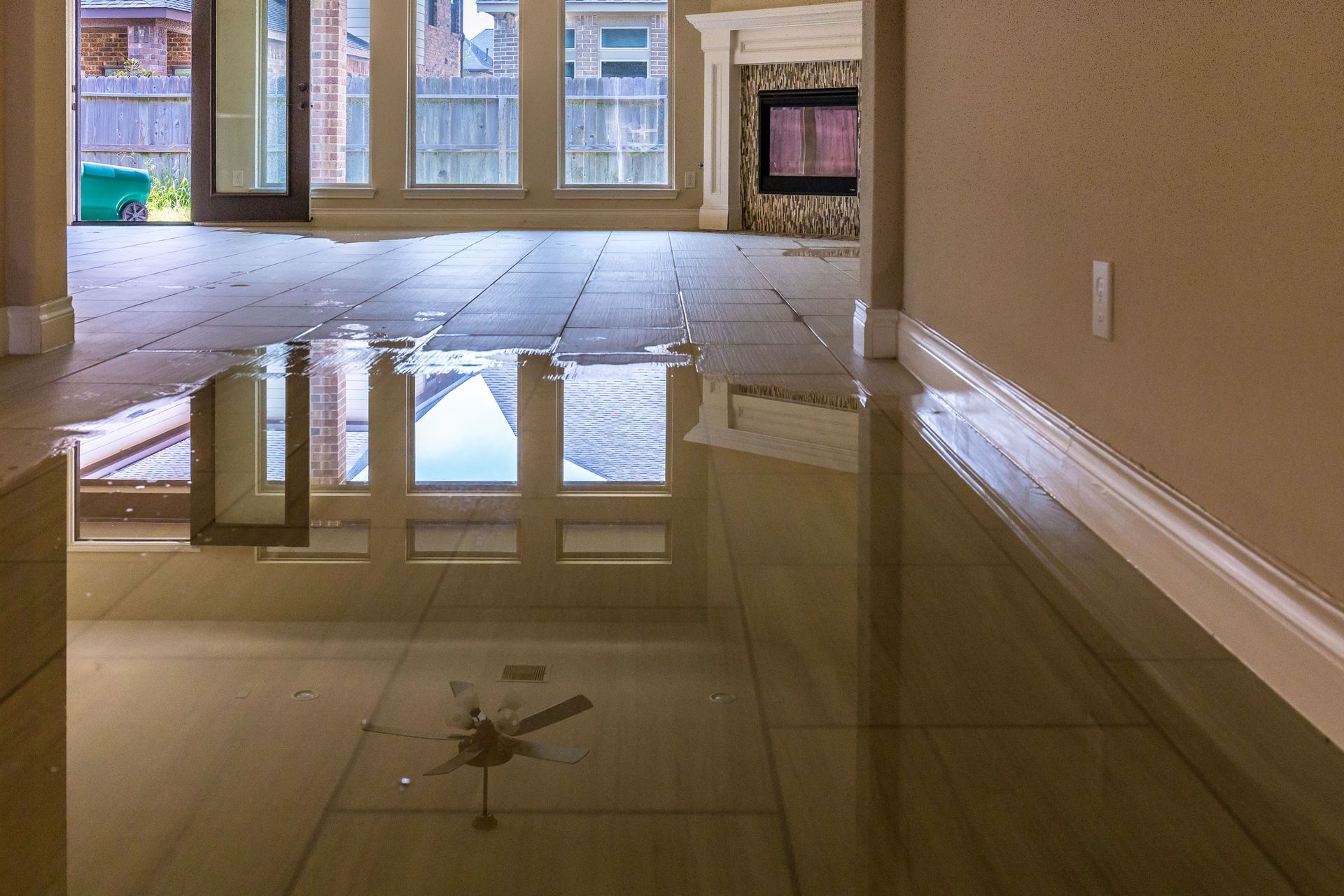
Consider the potential cost of storm damage. If one window breaks, the resulting water damage to your drywall, flooring, and electronics can easily climb into the tens of thousands of dollars. That’s not even mentioning the potential for structural failure if the roof is compromised. In that context, the "expensive" hurricane product is actually the cheapest insurance policy you can buy.
There are also ongoing savings to factor in. Reduced energy bills, potential insurance discounts, and the elimination of recurring plywood costs all contribute to long-term value. Many homeowners also see a strong return on investment when selling, as storm protection is a major selling point in coastal markets.
Financing options have also made these upgrades more accessible. Programs like PACE financing allow homeowners to spread costs over time through property taxes. Seasonal tax exemptions and rebates can further reduce the financial burden.
Beyond the numbers, there’s the value of convenience and peace of mind. No last-minute preparations, no scrambling for materials, and no uncertainty about whether your home is protected. That level of preparedness is difficult to quantify but incredibly valuable.
Protecting your home shouldn't be based on "neighborhood lore" or outdated ideas. The technology available today allows you to secure your house without sacrificing its beauty or draining your savings account. From the massive energy savings to the incredible security benefits, hurricane products offer a suite of advantages that make life better every day, not just when a storm is brewing on the horizon.
Don't wait until a name is assigned to a tropical wave to start thinking about your defense strategy. By debunking these myths now, you can take a proactive approach to home maintenance that adds value, comfort, and safety to your life. Take a look at your current setup and ask yourself if it’s truly ready for what nature might throw your way. Your home is likely your biggest investment; it deserves better than a temporary fix.
Ready to stop relying on myths and start securing your home with the best protection available? Contact Florida Energy Systems, Inc today to discover how our premium hurricane products can give you lasting peace of mind and year-round savings.