March 30, 2026
Preparing for hurricane season requires a clear understanding of how hurricane shutters protect your home and the steps involved in proper installation. These shutters act as a critical barrier, shielding windows and doors from high winds, flying debris, and water intrusion. Beyond physical protection, well-installed hurricane shutters can provide financial benefits, including potential insurance savings and increased property value. As climate events become more severe, knowing what to expect during a hurricane shutter installation ensures peace of mind, enhances home safety, and allows for effective preparation. This guide walks homeowners through types of shutters, pre-installation preparation, installation processes, ongoing maintenance, performance enhancements, cost considerations, and planning for future upgrades.
Understanding Different Types of Hurricane Shutters
Selecting the right type of hurricane shutter is the first step in safeguarding your home. Accordion shutters are permanently installed beside windows and unfold quickly when needed. They are especially durable, easy to operate, and suitable for large openings such as sliding doors or balconies. Roll-down shutters offer strong protection against storms while providing added benefits such as energy efficiency, privacy, and ease of manual or automatic deployment. Bahama shutters, which hinge at the top, are popular for their aesthetic appeal, shade provision, and airflow control, while also offering reliable hurricane protection. Colonial shutters, attaching to either side of windows, provide a classic design that closes securely during storms. Storm panels are temporary, cost-effective solutions installed only when threats arise, offering solid protection without permanent modifications.
When selecting a hurricane shutter, it’s essential to consider the size and type of openings, expected wind loads, and your home’s architectural style. Materials range from aluminum and steel to polycarbonate and impact-resistant plastics, each offering different durability levels and maintenance requirements. According to market projections from The Business Research Company, the global window shutters industry is expected to reach $4.65 billion by 2028, reflecting a growing demand for protective home solutions and rising homeowner awareness about storm preparedness. Investing in high-quality shutters ensures long-term reliability and may qualify homeowners for discounts on hurricane insurance.
Preparing Your Home for Installation
Proper preparation is critical to ensure that hurricane shutters perform effectively. Start by assessing all window and door frames to confirm they are structurally sound. Weak, rotting, or damaged frames should be repaired before installation, as they may not support the shutters’ weight or withstand strong winds. Accurate measurements for each window or door prevent gaps or misalignment that could compromise protection.
Creating a clear workspace around all installation points allows installers to work efficiently and safely, reducing the risk of accidental damage. Installation is best performed during calm, dry conditions to prevent interruptions and ensure that all components are properly secured. Homeowners should have all necessary tools ready, including drills, screwdrivers, measuring tapes, and safety gear, which helps installers adhere to manufacturer specifications and achieve a precise fit. Clear communication with the installation team about preferred shutter operation—manual or motorized—also ensures the final setup meets your daily convenience and emergency needs.
Installation Process: What to Expect
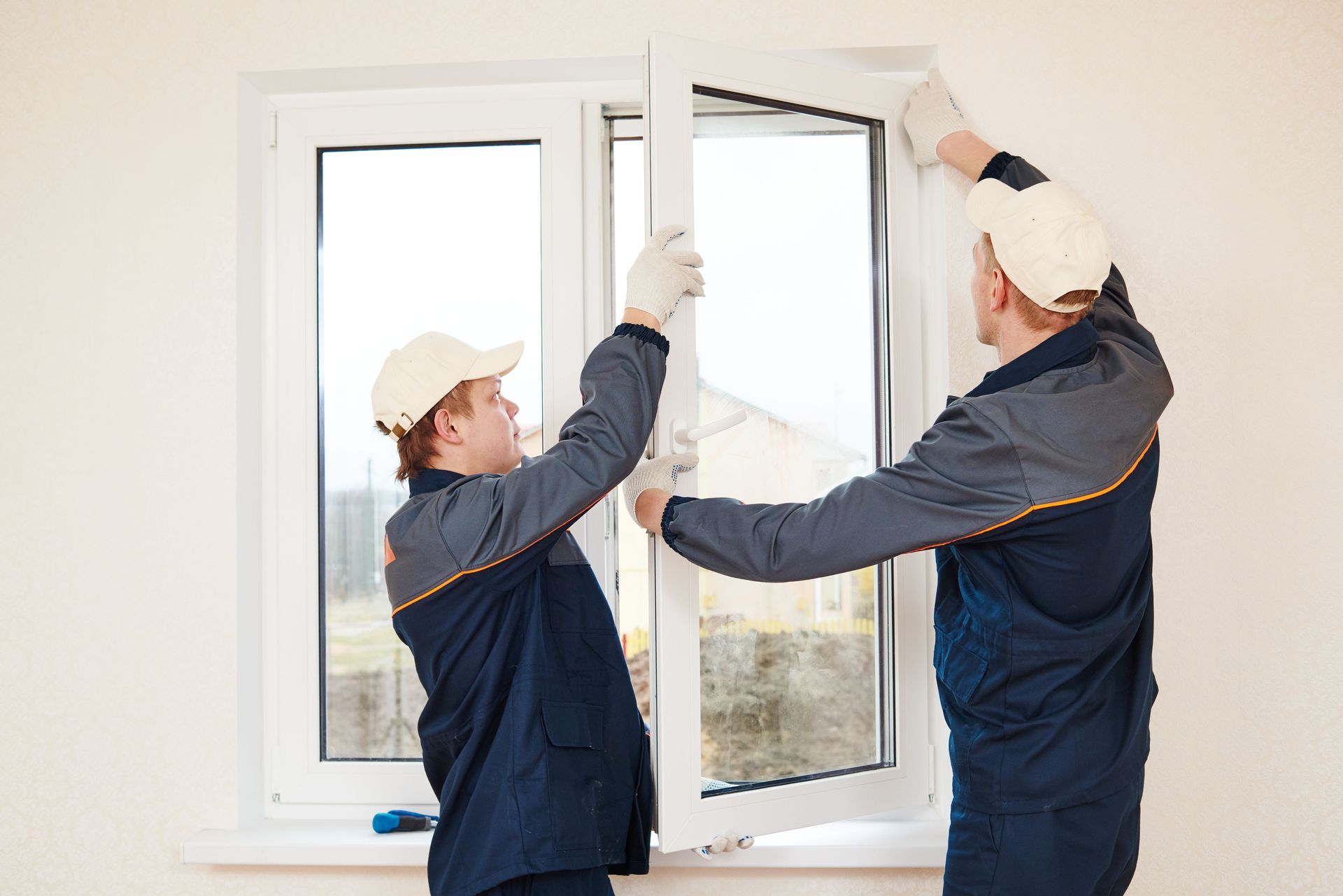
The installation of hurricane shutters requires careful attention to detail to ensure maximum protection. Fastening screws, anchors, and brackets securely is essential to maintain stability during severe storms. Accurate alignment and leveling prevent gaps that could allow wind or water infiltration. Techniques such as bracing and reinforcing corners add additional structural integrity, ensuring that shutters remain functional even under extreme pressure.
After physical installation, testing is a critical step. Shutters should be opened and closed multiple times to confirm smooth operation, identify any points of friction or misalignment, and allow for adjustments. Professional installers often check both manual and automated systems to ensure reliability. Following this process guarantees optimal performance, enhancing homeowner confidence in storm preparedness and reducing the likelihood of damage during actual hurricane conditions.
Maintaining Your Hurricane Shutters
Proper maintenance is key to extending the lifespan and effectiveness of hurricane shutters. Cleaning shutters regularly removes debris, dirt, and salt buildup, which can cause corrosion or operational issues. Lubricating tracks, hinges, and moving parts ensures smooth operation and prevents mechanical failure during storms. Periodic inspections help identify issues such as rust, misalignment, or damage that could compromise the system’s performance.
Tightening screws, bolts, and anchors maintains structural integrity, ensuring the shutters remain securely attached to the home. Homeowners should also check for signs of wear or deterioration in protective coatings or paint, as exposed materials may degrade faster under sun and rain. Routine maintenance not only protects safety but also preserves the financial investment in your property, reducing the risk of costly repairs or replacements.
Enhancing Hurricane Shutter Performance
Beyond basic protection, hurricane shutters can be enhanced to provide additional benefits. Adding locks or reinforcements improves security, preventing unauthorized access while maintaining storm protection. Shutters can also regulate indoor temperatures, providing shade in the summer and insulating during cooler months, which helps reduce energy costs.
Integration with motorized systems or smart home technology allows shutters to deploy quickly in emergencies, often through automated storm sensors or remote control. This rapid deployment improves convenience, particularly for homeowners who may not be home when a storm approaches. Selecting shutters with aerodynamic designs and reinforced edges further enhances resistance to high winds and flying debris, maximizing the protective capability of your system.
Considering Cost and Value
Costs of hurricane shutters vary based on type, material, size, and complexity of installation. While temporary solutions like storm panels are more affordable upfront, permanent solutions such as accordion or roll-down shutters provide long-term reliability and convenience. Comparing installation costs against potential insurance savings and the cost of storm damage prevention highlights the financial benefits of investing in quality shutters.
High-quality hurricane shutters enhance property value and curb appeal, especially when paired with thoughtful design choices. They can also contribute to energy efficiency, particularly for roll-down or Bahama styles that provide shade and insulation. Homeowners should balance upfront costs with long-term protection and financial return, considering both immediate affordability and potential future savings. Evaluating manufacturer warranties and professional installation services ensures that investments are secure and reliable.
Preparing for Future Upgrades
Hurricane protection is not a one-time installation. Homes may require future upgrades as technology advances, climate risks evolve, or household needs change. Planning for replacement, additional coverage, or integration with smart systems keeps your protective strategy current and effective.
Staying informed about new materials, designs, and installation methods ensures that your shutters remain efficient and reliable. Professional inspections at regular intervals can detect early signs of wear, allowing preventive repairs before problems escalate. Homeowners can also evaluate options for expanding coverage, such as adding shutters to new windows, doors, or garage openings. Forward-looking planning not only preserves property safety but also maintains long-term value and peace of mind, ensuring the home is always prepared for severe weather events.
Hurricane shutter installation is a critical step in safeguarding your home, family, and investment against increasingly severe weather events. From selecting the right shutter type and preparing your home to professional installation, maintenance, performance enhancements, and planning for future upgrades, every step contributes to effective storm preparedness. Investing in quality shutters offers peace of mind, improved energy efficiency, and financial advantages, including potential insurance savings and increased property value. For expert guidance, precise installation, and ongoing support, trust Florida Energy Systems, Inc to ensure your home is fully protected against hurricanes.